How to Choose Your First Business Offer Without Building Too Much
Timothy Business

You have ideas, skills, and maybe a notes app full of possible businesses. The hard part is choosing one offer and putting it in front of someone before your confidence runs out or your schedule fills up. If you are searching for how to choose a first business offer, you do not need a perfect niche or a polished brand first. You need a useful starting point: a specific person, a problem they care about, and a small result you can reasonably help them reach.
That matters especially when you are starting young. You may be balancing study, work, family commitments, or a first job, while trying to make a business idea real. Your first offer should fit your actual capacity. It should teach you what customers value without demanding months of preparation or a financial bet you cannot comfortably make.
I’m Timothy Business. My coaching is strategic and supportive, and I work with young adults who want to grow a business. Here is a practical way to choose and test an offer before you build more than the evidence calls for.
How to choose a first business offer: start with a customer, not a logo
An offer is a clear invitation to pay for a defined kind of help. It is more concrete than “I want to start a wellness brand” or “I’m good at design.” Someone should be able to understand what you do, who it is for, and what the next step looks like.
For example, “I help small businesses with social media” leaves a lot unanswered. Which businesses? What help? What does the owner receive? A more workable starting point might be, “I create four short, captioned product videos for independent cafés preparing a seasonal menu launch.” That statement may change after conversations, but it gives you something specific to investigate.
Do not mistake specificity for a permanent identity. You are not choosing the only business you will ever run. You are choosing a testable first offer. The purpose is to make a useful promise you can deliver, then learn from what happens.
Step 1: List problems you can help solve now
Begin with problems, not product formats. A course, membership, coaching package, or service is a way to deliver help. It is not automatically a reason someone will buy.
Set a timer for 15 minutes and make three lists:
- Skills: What can you do reliably enough to help another person? Include skills from work, study, volunteering, hobbies, and responsibilities at home.
- Access: Which people or communities can you understand or reach respectfully? Think about a student group, local shop owners, new freelancers, or an online community you already participate in.
- Friction: What recurring task or decision causes those people frustration, wasted effort, or uncertainty?
Look for overlap. Suppose you are comfortable editing short videos, know several independent makers, and have heard that they struggle to show how products are made. That overlap suggests a conversation topic. It does not yet prove that makers will pay for video editing. Treat it as a lead, not a verdict.
Keep the first list honest. If a problem would require professional credentials, technical capability, or a level of responsibility you do not have, do not sell yourself as qualified to solve it. You can choose a narrower task, learn the skill first, or partner with someone who is appropriately equipped.
Step 2: Choose a customer you can describe clearly
“Everyone who wants to grow” is too broad to guide your decisions. Choose a first customer group you can recognize in a real conversation. The group may be defined by a stage, a role, or a situation rather than age or identity.
Write one sentence: “I’m exploring an offer for [kind of person] who is trying to [specific task] but is stuck because [specific obstacle].” For instance: “I’m exploring an offer for first-time market stall owners who want a simple way to display prices and product details but have limited setup time.”
This is a working description, not a claim that every person in that group has the same problem. Your job is to use it to find relevant people and ask better questions. If you cannot name where you might meet or contact them, the audience may be too vague or inaccessible for a first test.
Choose a group you can approach without relying on pressure. A former classmate, local business network, online group, or community event may be a reasonable place to learn, provided you respect its rules and ask permission where needed. Do not scrape contact details or turn a private conversation into a sales pitch without consent.
Step 3: Ask about the problem before pitching a solution
Talk to a few people who fit your working description. You are listening for their experience, not collecting compliments about your idea. A supportive conversation can still be candid. In fact, candid feedback is more useful than enthusiastic reassurance.
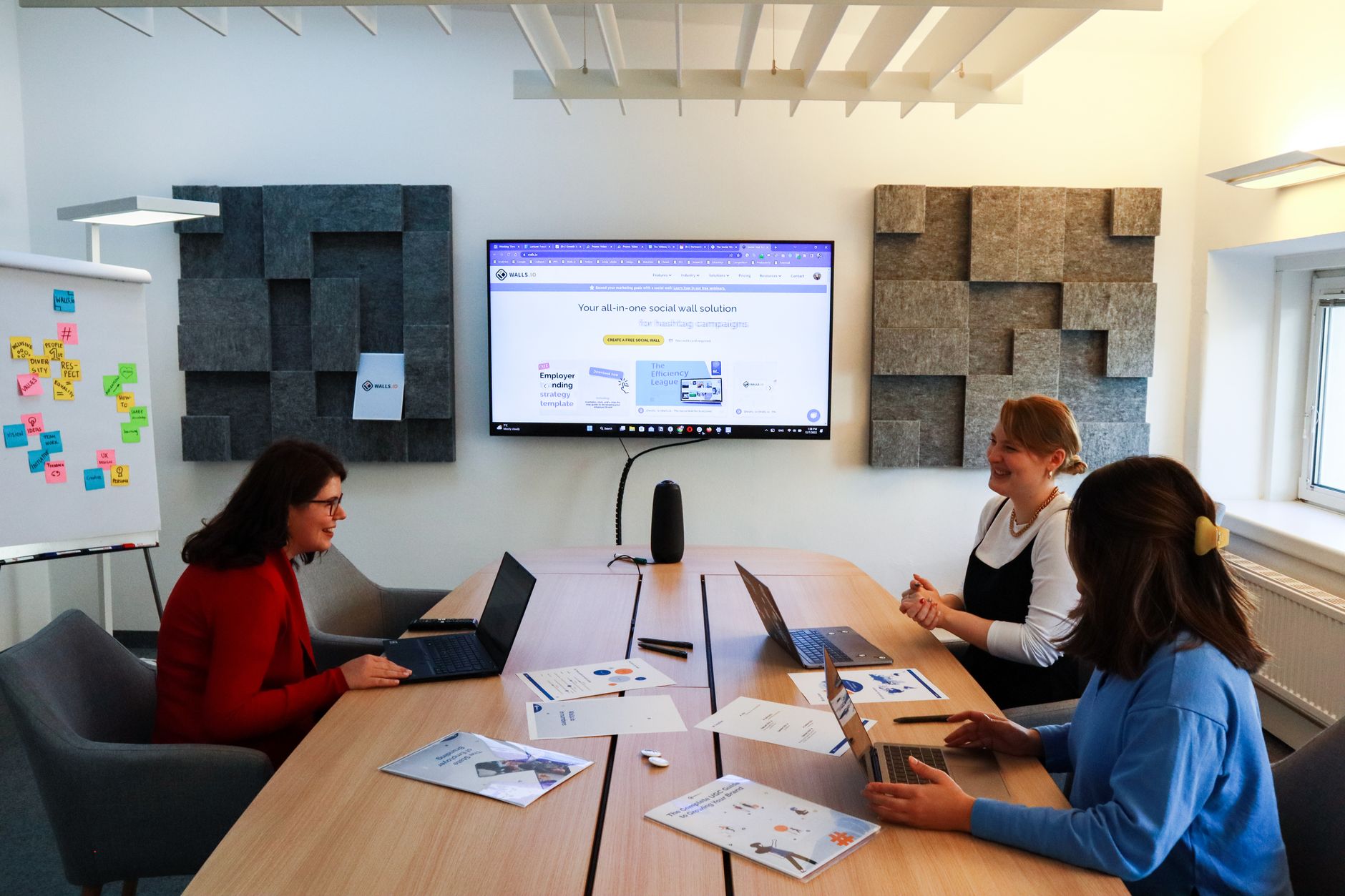
Try open questions such as:
- “Can you tell me about the last time you dealt with this?”
- “What did you try, and what happened?”
- “What part took the most time or felt hardest?”
- “How are you handling it now?”
- “What would make a solution practical for you?”
Listen for specifics: a recent event, a workaround, a cost, a missed opportunity, or an ongoing task. “That sounds interesting” is not the same as a commitment to buy. A person’s actions and constraints tell you more than polite approval.
Example, not an actual client result: imagine you are considering a menu photography service for independent food businesses. One owner says, “I like the idea,” but cannot recall a recent problem and already takes photos they are happy with. Another explains that new menu items sit unpublished because arranging photos takes an afternoon. The second conversation gives you a clearer problem to explore, though you still need to test whether your proposed help is worth paying for.
At the end, ask permission to follow up if you develop a small version. Do not corner someone into a decision. Your reputation is part of your business, and a respectful conversation is valuable even if it never becomes a sale.
Step 4: Score the idea against your real constraints
After your conversations, compare candidate offers with a simple scorecard. Rate each item from 1 to 5, where 1 means weak or unclear and 5 means strong. The numbers are a thinking aid, not market research or a precise forecast.
| Question | What a stronger answer sounds like | Your score |
|---|---|---|
| Is the problem concrete? | People can describe a recent, specific difficulty. | 1 to 5 |
| Can I deliver the help responsibly? | I have the skill, time, and boundaries needed for a small version. | 1 to 5 |
| Can I reach the intended customer? | I know a respectful way to start relevant conversations. | 1 to 5 |
| Is there a plausible exchange of value? | Someone has shown interest in a defined paid next step, not only the general idea. | 1 to 5 |
| Does it fit my current life? | The work can fit around my actual commitments without relying on unsustainable hours. | 1 to 5 |
Read the explanations beside the scores. A low score is not failure; it points to the next question. If you can deliver the work but cannot find customers, test a different audience or channel. If the problem seems real but delivery would exceed your current skills, reduce the scope or build capability before selling.
Do not select an idea solely because it earned the highest total. A serious concern about ethics, qualifications, cost, or capacity cannot be canceled out by a good score elsewhere.
Step 5: Define the smallest offer that can deliver real value
Make the first version small enough to explain and deliver, but complete enough to help. A vague promise such as “support with your brand” is difficult to assess. A defined deliverable gives both you and the customer a shared expectation.
Write a one-paragraph offer using this structure:
- For: the specific person or business.
- Problem: the situation you help with.
- Deliverable: what the customer receives or what you do together.
- Boundary: what is not included.
- Next step: how someone can ask a question or express interest.
Example, not an actual client result: “For independent makers preparing for a local market, I create a one-page product and pricing display using information you provide. It includes one draft and one revision. It does not include printing, product photography, or a promise of sales. Send me a message if you would like to discuss whether it fits your stall.”
That example is not automatically the right offer. It shows how boundaries reduce confusion. If your work depends on customer information, explain what you need and how you will handle it. If delivery involves a regulated area, sensitive data, or a risk you are not trained to manage, get appropriate guidance before you accept the work.
For a first offer, avoid adding a course, community, weekly calls, templates, and private support all at once. More features can mean more work without making the core value clearer. Begin with the smallest responsible way to help. You can expand only when customer needs and your capacity support it.
Step 6: Test willingness to pay without overbuilding
A useful test asks someone to take a meaningful next step. That could be booking a paid pilot, requesting a written proposal, or agreeing to a clearly described paid project. The right test depends on what you sell. A like, poll vote, or compliment may be useful feedback, but it is weak evidence of purchase intent.
Before offering a paid test, state the scope, price, timing, payment terms, cancellation conditions, and what the customer can expect. Choose a price based on your costs, time, skill, market context, and the value of the work. Do not use a price you cannot explain or promise an outcome you cannot control. If you are unsure about taxes, contracts, permits, or consumer rules where you live, seek local professional guidance.
A small pilot is not permission to provide careless work. It is a bounded way to learn while treating the customer fairly. Agree on what success means for the deliverable itself, such as receiving a complete set of edited files, rather than guaranteeing a business result such as more sales.

If nobody accepts, do not immediately conclude that the whole idea is useless. Check what you actually learned. Was the problem urgent? Was the offer clear? Was the intended customer right? Did you reach them at a relevant time? Was the price or scope mismatched? Change one important assumption at a time so you can understand the response.
Step 7: Make the offer easier to understand
Explain your offer in plain language. Someone should not need to decode business jargon to decide whether to ask a question. A compact description can follow this pattern: “I help [person] with [task] by providing [deliverable].” Add a practical boundary or next step if space allows.
For example: “I help first-time market vendors prepare a clear product and pricing sheet for their stall. The project includes one draft and one revision. Message me if you want to check whether your products are a fit.” This does not claim the sheet will increase sales. It describes the work you control.
Use the same wording in a direct conversation, a short profile, or a simple page. You do not need a complex website to learn whether people understand the offer. Make it easy to ask questions, and answer honestly when the offer is not a fit.
Notice where people hesitate. If they ask what they receive, clarify the deliverable. If they ask whether you work with a different type of customer, consider whether the audience needs adjustment. If several people raise the same practical objection, investigate it rather than arguing them out of it.
Step 8: Review the test and decide what to change
After each conversation or pilot, write down what happened while you still remember the details. Separate direct observations from your interpretation. “They asked whether printing was included” is an observation. “They do not value design” is an interpretation that may not be supported.
Use these questions for a short review:
- Who did I speak with, and what recent problem did they describe?
- Which words did they use to explain that problem?
- What part of my offer did they understand quickly, and what needed clarification?
- What did they agree to do next, if anything?
- What would make delivery clearer, safer, or more manageable?
Then choose one of three directions. Keep testing if the problem and offer are clear but you need more conversations. Adjust if you see a mismatch in audience, scope, price, or format. Pause if the work does not fit your skills, responsibilities, finances, or available time right now.
Pausing is a strategic decision, not a verdict on your ability. A business can grow from a different starting point when you have more information or capacity. The aim is to make the next move with evidence you can explain, not pressure you cannot sustain.
A practical first-session plan
If you want to start today, use a single 60-minute work session. This is a suggested allocation, not a requirement, and you can split it into shorter blocks if that fits your schedule. Spend 15 minutes listing skills and problems, 10 minutes writing a customer sentence, 20 minutes drafting five questions and identifying two respectful ways to reach people, and 15 minutes writing a first offer paragraph. The segments total 60 minutes.
You do not need to finish the business in that hour. Your result is a clear hypothesis and a next conversation. Once you have spoken with relevant people, revise the offer based on what they actually describe. Keep the draft private until it is accurate, or share it with a trusted person who can give candid feedback.
When you are ready, decide what support would genuinely help you move forward. Some founders benefit from a group program for structure and peer discussion; others need focused one-on-one coaching or a membership that offers ongoing resources. Choose support based on the question you need answered, the format you can use, and your budget. Support should strengthen your judgment, not replace it.
Your first offer is a testable promise, not a lifelong label. Make it specific enough to discuss, small enough to deliver responsibly, and open enough to improve when real customers teach you something.
Choosing a first business offer becomes more manageable when you separate the decision into parts: identify a problem, select a reachable customer, ask before pitching, define a bounded offer, and test a meaningful next step. You do not have to pretend certainty. You do have to be clear about what you know, what you are testing, and what you can deliver.
Start with the problem you can investigate this week. Write one sentence about who experiences it, then ask for a conversation without turning it into a sales ambush. A thoughtful first offer can grow from that exchange, one honest decision at a time.